Have you ever felt like navigating the autism assessment process is as tricky as assembling IKEA furniture without the manual? You're not alone. In Australia, parents, educators, and clinicians often find themselves at the crossroads of paperwork, waiting lists, and a maze of professionals. This guide will walk you through the recommended steps for autism assessment in Australia, turning the labyrinth into a clear, step‑by‑step route. And yes, we’ll sprinkle a bit of humor along the way because even the most serious topics deserve a light touch.
Understanding the Australian Assessment Landscape
Before you jump into the assessment process, it helps to know the terrain. Australia’s system is a blend of federal guidelines, state regulations, and community resources, all aimed at ensuring early, accurate diagnosis and timely support.
- Federal oversight: The National Disability Insurance Scheme (NDIS) funds many early intervention services, but the initial assessment must still happen at the state level. State variations: Each state has its own referral pathways and waiting times. For instance, New South Wales uses the Early Childhood Assessment (ECA) service, while Victoria relies on the Victorian Autism Spectrum Disorder (ASD) Assessment Service. Community resources: Local support groups and NGOs often provide informational workshops that can help demystify the process.
Knowing this context is like having a map before you start a road trip—you’ll know where the rest stops are and how long the drive might take.
Step 1: Early Identification and Parent Advocacy
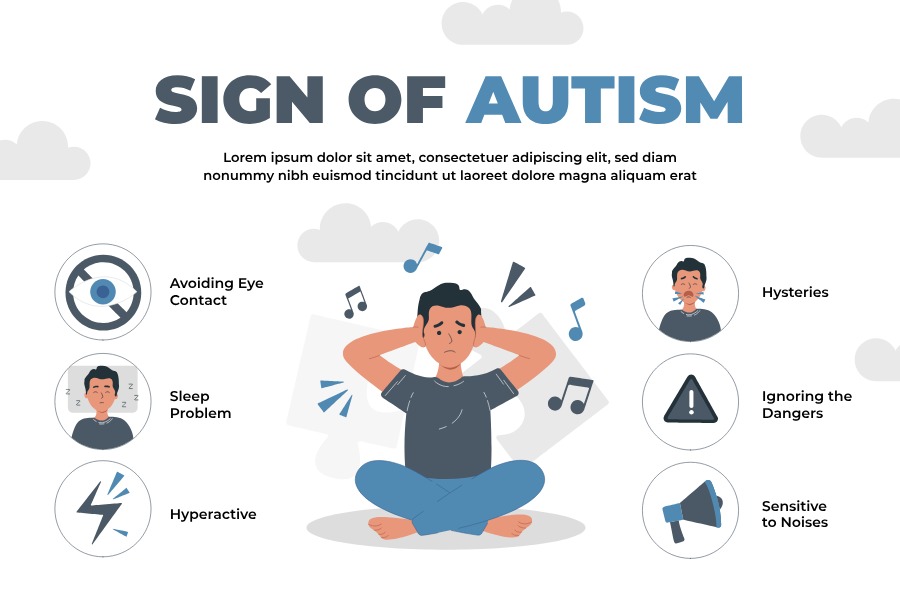
The first sign that something might be off is Helpful hints usually a subtle shift in a child’s behavior—delayed speech, unusual sensory reactions, or a preference for routine. Parents are often the first to notice these red flags.
- Observe and document: Keep a simple log of behaviors, milestones, and any concerns. A few sentences per day can be surprisingly powerful. Ask the right questions: “Does my child respond differently to noise or light?” “Do they have trouble making eye contact?” These questions are your entry ticket to the assessment process. Seek a professional opinion early: A general practitioner (GP) can provide an initial screening and, if needed, refer you to a specialist.
Remember, advocacy is your superpower. As a parent, you’re the most consistent advocate for your child—use that to your advantage.
Late diagnosis in females> “Diagnosis is not a verdict, it’s a roadmap.” – Dr. Jane Smith, Pediatric Neurologist
Step 2: Professional Referral Pathways
Once you’ve flagged concerns, the next step is to secure a referral. This is where the bureaucracy begins, but it’s also where you can get the right professionals on board.
- GP referral: Most states require a GP referral to a developmental pediatrician or psychologist. The GP will provide a brief report summarizing your observations. Specialist assessment: The specialist will conduct a comprehensive evaluation, often including: Standardized diagnostic tools (e.g., ADOS-2, ADI-R) Cognitive and language testing Sensory processing assessment Waiting lists: Some regions have long waiting times, so ask your GP about the estimated duration and whether there are any fast‑track options.
Think of this step as booking a flight—once you have your ticket (referral), you’re ready to board the assessment plane.
Step 3: Comprehensive Diagnostic Evaluation
This is the heart of the process, where specialists piece together the puzzle to determine if your child meets the criteria for ASD.
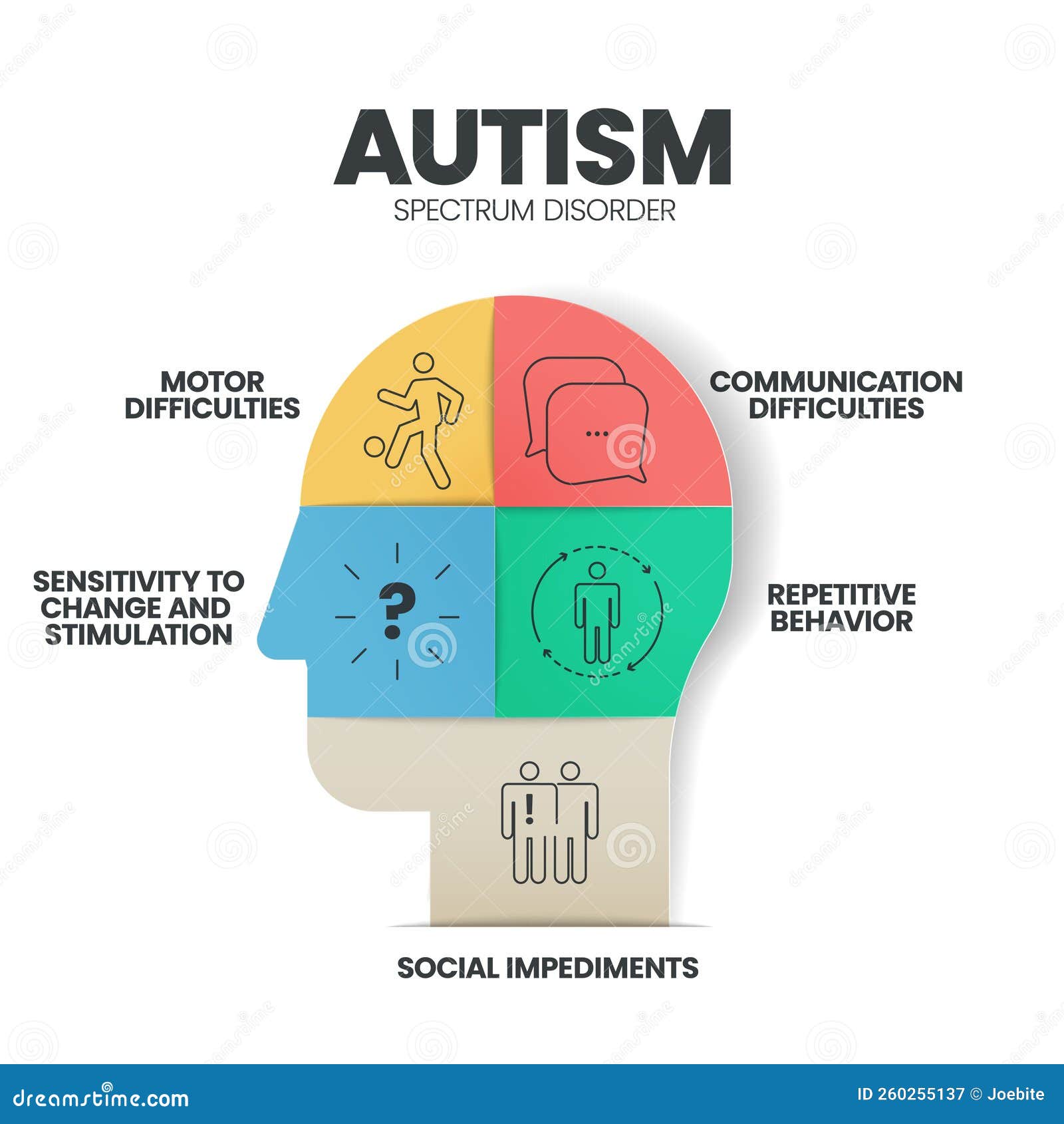
- Multidisciplinary team: A typical team may include a psychologist, speech therapist, occupational therapist, and sometimes a neurologist. Assessment tools: The gold standard involves the Autism Diagnostic Observation Schedule (ADOS-2) and the Autism Diagnostic Interview–Revised (ADI-R). These tools help clinicians observe behaviors and gather detailed developmental histories. Diagnostic criteria: The DSM‑5 or ICD‑10 guidelines are used to confirm the diagnosis. The team will look at social communication deficits, restricted interests, and repetitive behaviors.
If the assessment is positive, you’ll receive a formal diagnosis, which is the key that unlocks funding and support services.
Step 4: Multidisciplinary Team Collaboration
A diagnosis is just the beginning. Effective support requires a coordinated effort across multiple disciplines.
- Individualised Education Plan (IEP): For school-aged children, an IEP outlines tailored learning strategies and accommodations. Therapeutic interventions: Speech therapy, occupational therapy, and applied behavior analysis (ABA) are common approaches. Family support: Parent training and counseling can help families manage the challenges that come with ASD.
Picture this as a relay race—each specialist passes the baton, ensuring the child receives comprehensive care.
Step 5: Planning for Services and Supports
With a diagnosis in hand, you’re ready to explore the array of services available.
- NDIS: If you’re in Australia, the NDIS can fund many therapies, assistive devices, and community participation programs. Early intervention: For children under five, early intervention services can dramatically improve outcomes. Community programs: Local clubs, sports teams, and hobby groups often have autism-friendly options.
It’s essential to start planning early, as services can be limited and waiting lists long. Think of this step as building a bridge—once it’s in place, your child can cross into a world of opportunities.
Step 6: Follow‑Up and Monitoring
The journey doesn’t end with a diagnosis. Ongoing monitoring ensures that interventions remain effective and that the child’s evolving needs are met.
- Regular check‑ins: Schedule periodic reviews with the multidisciplinary team to adjust goals and strategies. Progress tracking: Use simple charts or apps to record milestones and setbacks. Advocacy: Continue to champion your child’s needs in school, community, and healthcare settings.
Consistent follow‑up is like watering a plant—without it, growth stalls. Keep the soil moist, and watch your child thrive.
Making Your Journey a Success Story
You’ve now seen the full map: from early identification to long‑term support. The path to autism assessment in Australia may feel like a marathon, but with the right tools, you can sprint ahead.
- Stay informed: Keep up with the latest research and policy changes. Build a support network: Connect with other parents, support groups, and professionals. Celebrate milestones: Every small victory is a step toward a brighter future.
Remember, the assessment process is not a verdict but a roadmap. With each step taken, you’re steering your child toward a life filled with possibility. If you’re ready to take the next step, reach out to your GP or local autism support organization today. The journey may be long, but the destination—empowerment, support, and growth—is worth every effort.