When a little one toddles around, it’s easy to think they’re just being a bit curious. But what if their curiosity feels like a puzzle missing a few pieces? Parents often notice that some toddlers seem puzzled by simple cause-and-effect moments—like why a ball stops when it hits a wall or why a cookie disappears after a bite. These moments can be a clue to autism early signs in toddlers who have difficulty with understanding cause and effect. This article breaks down the science, the subtle signals, and what you can do to help your child thrive.
What Is Cause-and-Effect Understanding?
Cause-and-effect is the brain’s way of connecting actions to outcomes. It’s the mental shortcut that lets us predict what happens next: if I drop a toy, it will fall. In toddlers, this understanding develops gradually, usually around 12 to 18 months. A child who grasps cause and effect can:
- Predict the sound of a door closing. Know that shaking a bottle will make bubbles. Understand that pressing a button will turn a toy on.
When that connection feels fuzzy, it can hint at broader developmental differences. In the context of autism, difficulties with cause and effect often intertwine with challenges in language, social interaction, and repetitive behaviors.
Common Early Signs of Autism in Toddlers
While every child is unique, several early indicators tend to cluster in toddlers. Below are the most frequent red flags, especially when paired with cause-and-effect confusion.
Social and Communication Hints
- Limited eye contact: Glances that drift away quickly. Delayed babbling or single-word use: Speaking slower than peers. Repetitive gestures: Repeating the same action over and over.
Sensory and Repetitive Behaviors
- Strong preference for sameness: Discomfort with routine changes. Sensory sensitivities: Overreacting to lights, sounds, or textures. Repetitive movements: Hand-flapping, rocking, or spinning.
Cognitive and Learning Clues
- Difficulty linking cause and effect: Not understanding why a toy stops moving when it hits a wall. Challenges with problem-solving: Struggling to figure out how to open a box or use a tool. Delayed milestones: Falling behind in crawling, walking, or speech.
These signs are not a diagnosis on their own, but when they appear together—especially the cause-and-effect gaps—they warrant closer attention.
When Cause-and-Effect Challenges Appear
Imagine a toddler watching a toy car roll down a ramp and then stop abruptly. Most kids will immediately connect the ramp’s end with the car’s halt. If a child looks puzzled, or even looks at the car as if it’s lost its mind, that’s a subtle but telling sign. Here’s how to spot it:
- Observation during play: Does your child try to fix the car after it stops? Do they seem confused when the car stops unexpectedly? Reaction to everyday events: Does your child ask “why” when a door closes or when a pet jumps? Or do they simply shrug and move on? Learning attempts: When you demonstrate a simple cause-effect action (e.g., dropping a ball into a bucket), does your child mimic the action or stay disconnected?
These moments are like tiny breadcrumbs that, if followed, can lead to a clearer picture of your child’s developmental path.
How Parents Can Spot Red Flags
Spotting early signs is like being a detective with a magnifying glass. Here are practical ways to keep your eye on the clues:

- Keep a play log: Note times when your child seems puzzled by cause-and-effect moments. Use the “why” test: Ask simple “why” questions during everyday activities and see how your child responds. Engage in joint attention: Share focus on an object or event; a lack of shared interest can be a red flag.
A Little Anecdote
When I was a toddler, I once tried to stack blocks. Each time a block fell, I would stare at it like it had a mind of its own. My mom laughed and said, “Maybe the block doesn’t like being stacked.” That light-hearted moment became a memory that, years later, helped me recognize the importance of cause-and-effect understanding in early childhood development.
Tools and Strategies to Support Development
If you’re noticing those puzzling moments, there are ways to help your child build a stronger cause-and-effect foundation. Think of it as giving them a toolbox full of bright, engaging items.
Interactive Play
- Water play: Let them pour water from one cup to another; watch the flow. Building blocks: Drop blocks onto a ramp and observe where they land. Puzzle pieces: Fit shapes together and see how the picture changes.
Language and Storytelling
- Narrate actions: While playing, say, “The ball rolls down the hill and lands in the basket.” Use “because” sentences: “We put the blanket on the bed because it’s warm.” Ask “what happens next?”: Encourage predictions.
Sensory Integration
- Soft textures: Introduce fabrics that feel different when touched. Bright lights: Use gentle lighting to avoid overstimulation. Music and rhythm: Simple songs can reinforce patterns and cause-effect relationships.
Consistent Routines
- Morning rituals: Brush teeth, dress, and snack in a predictable order. Evening wind-down: Storytime, bath, and bedtime lullabies.
These strategies act like stepping stones, helping toddlers see the link between action and result.
When to Seek Professional Guidance
Early intervention is like a well-timed booster shot—it can make a world of difference. If you notice persistent cause-and-effect confusion or other autism-related signs, consider:
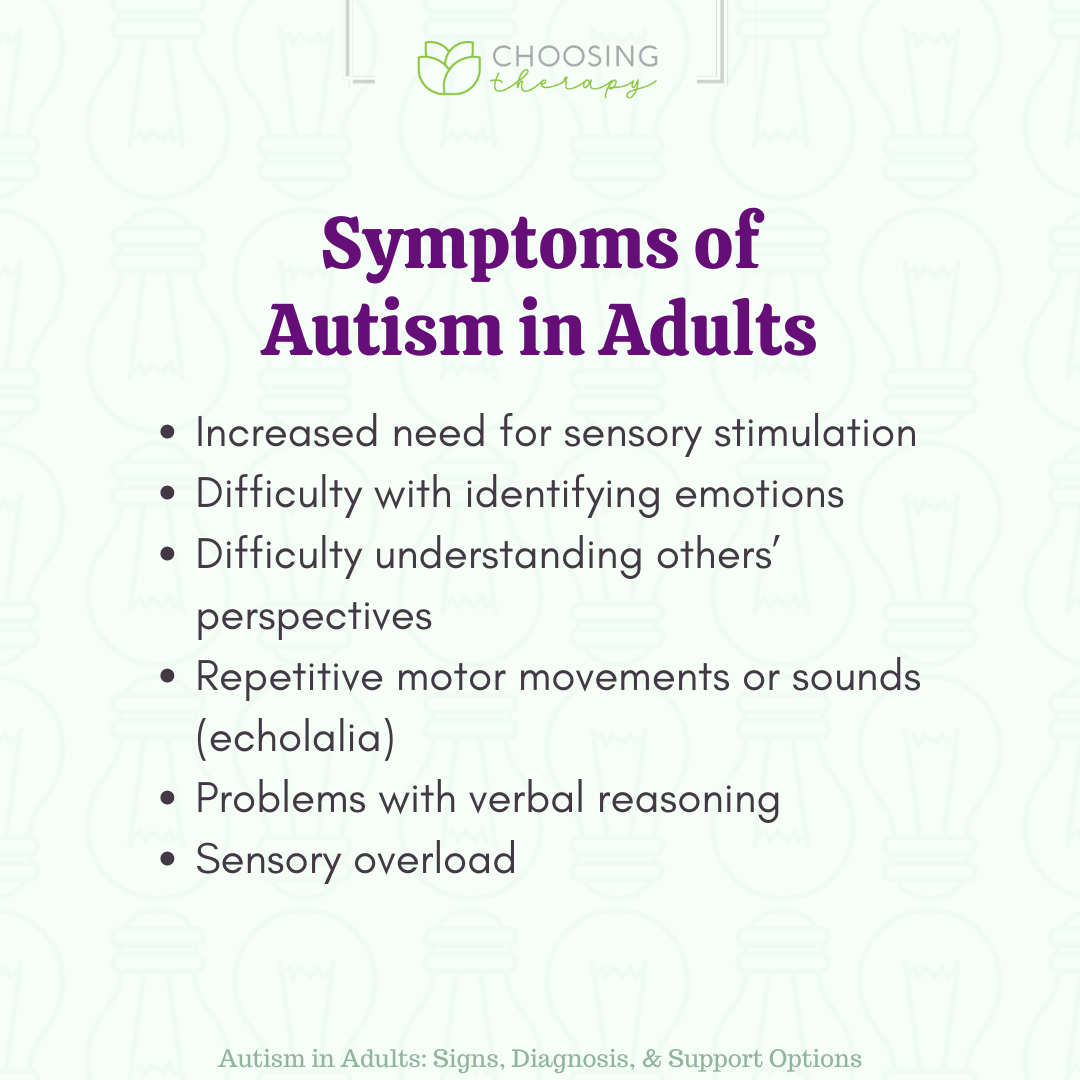
- Pediatrician evaluation: A routine check can flag developmental concerns. Speech-language therapy: Helps with language and communication gaps. Occupational therapy: Addresses sensory and motor challenges. Early intervention programs: Tailored support for toddlers.
A simple question to ask a professional: “What specific milestones should my child be reaching at this age?” Their answer can guide you toward the right resources.
The Road Ahead: Hope and Resources
“Every child is a different story, and each story is worth listening to.” This quote reminds us that Hyperfocus early signs are not a verdict but a starting point. With the right support, toddlers who struggle with cause-and-effect can develop https://postheaven.net/elmaraceih/understanding-autism-diagnosis-and-therapy-outcomes-a-guide-for-families-and confidence and skills.
- Support groups: Connect with other parents who share similar experiences. Educational apps: Choose ones that emphasize cause-and-effect through interactive games. Community resources: Libraries often host storytime sessions that encourage prediction and understanding.
In the grand tapestry of child development, cause-and-effect is just one thread. By weaving patience, observation, and supportive tools into your parenting, you help your child stitch a brighter future. If you’re unsure where to start, reach out to your pediatrician or local early intervention center—small steps today can lead to big strides tomorrow.